We believe IT teams make better database decisions when they know what's healthy, what needs attention, and what to do next.
Start My Assessment
We believe organizations should not have to wait for users to complain, reports to fail, or applications to slow down before discovering database issues.
Teams deserve greater visibility into their database's health, practical guidance on what requires attention, and confidence that their database environment is being actively reviewed.
Our goal is to help organizations identify issues sooner, reduce uncertainty, and make better database decisions.
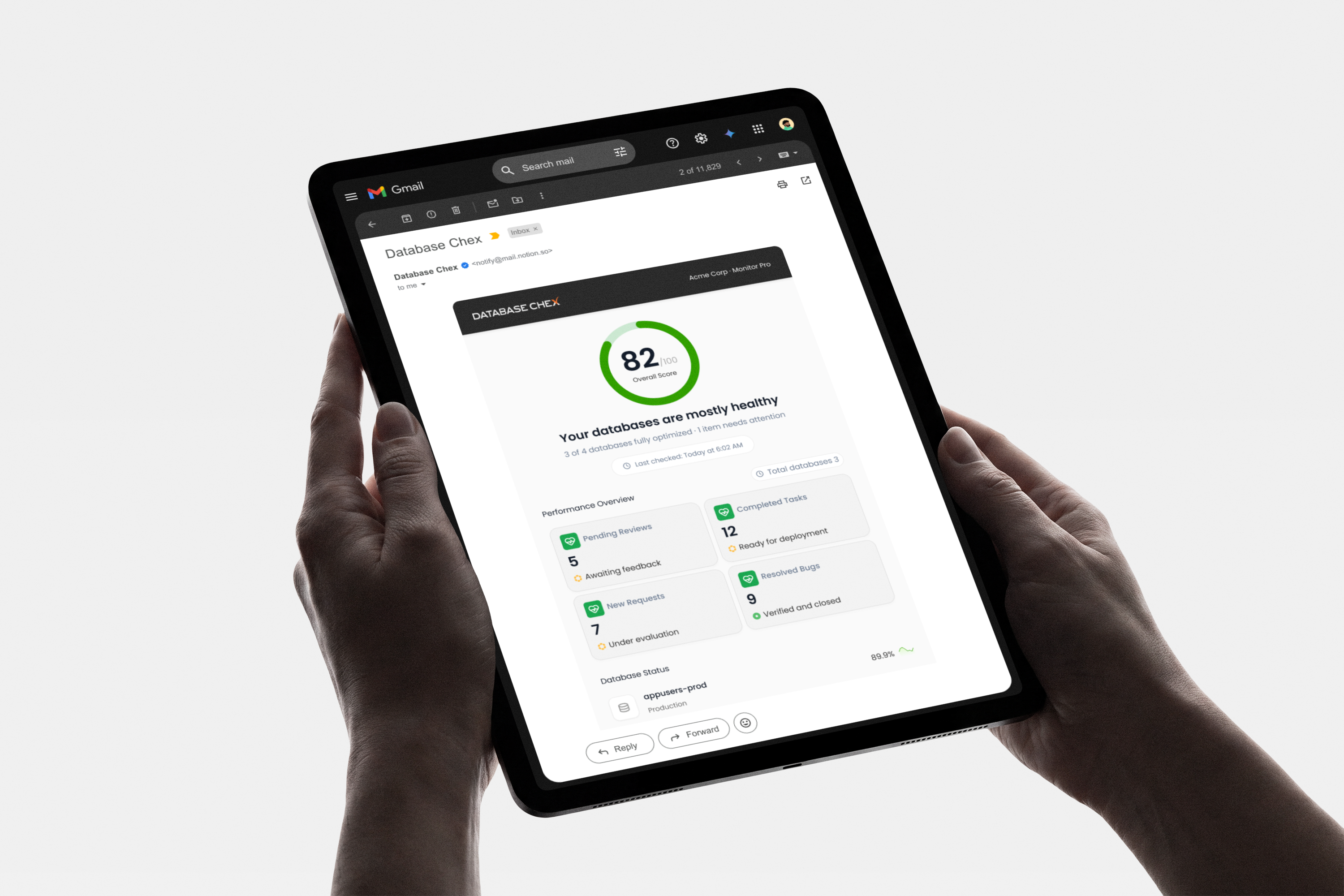
Together, these elements help organizations gain a clearer understanding of their database environment and make more informed decisions over time.

Continuous insight across your environment.

Expert review turns signals into priorities.

A clearer picture of your database environment.

Meet the Founder
Hi, I'm Cornell Emile.
After years of working with database environments, I noticed the same pattern. Organizations had monitoring tools, dashboards, and alerts but they still struggled to know what mattered most.
That realization led me to build Database Chex.
Not to create another monitoring platform, but to help IT teams understand what's healthy, identify what needs attention, and know what to do next before issues impact the business.
Five to seven days from the point read-only access is granted. Nothing is required from your team during that time.
We only need read-level access to your Azure SQL environment. No changes are made to your databases.
Right now the assessment is focused on Azure SQL databases.
You'll get a clear baseline, a prioritized list of risks, and practical next steps you can act on right away.
Less noise.
More confidence.